
Why it's done
- Heartburn or reflux that persists despite medication
- Trouble swallowing, or food that feels stuck
- Upper abdominal pain, nausea or vomiting
- Black stools, vomiting blood or iron-deficiency anemia
- Screening or surveillance for Barrett's esophagus
- Testing for celiac disease, ulcers or H. pylori infection
What can be done during the exam
Biopsies to check for inflammation, infection or precancerous change; stretching (dilation) of a narrowed esophagus; treatment of bleeding; and removal of polyps or swallowed objects.
How to prepare
Nothing to eat for about 6 to 8 hours before, with clear liquids allowed until a few hours before, per your instructions. Tell your doctor about blood thinners, diabetes medicines and GLP-1 injections, which can slow stomach emptying and may need to be held.
What to expect
You receive IV sedation and lie on your side. The exam usually takes 10 to 20 minutes. A mild sore throat or bloating afterward is common. You need a driver home and can usually eat later the same day.
Risks
Complications are uncommon. They include bleeding after biopsy or dilation, a tear in the lining, and reactions to sedation.
Common questions
Will I be able to breathe?
Yes. The scope does not block your airway, and your breathing and oxygen are monitored throughout.
When will I get results?
What we see is reviewed with you that day; biopsy results usually take about a week.
Questions about an upper endoscopy? Call (813) 400-0543 or send a message.
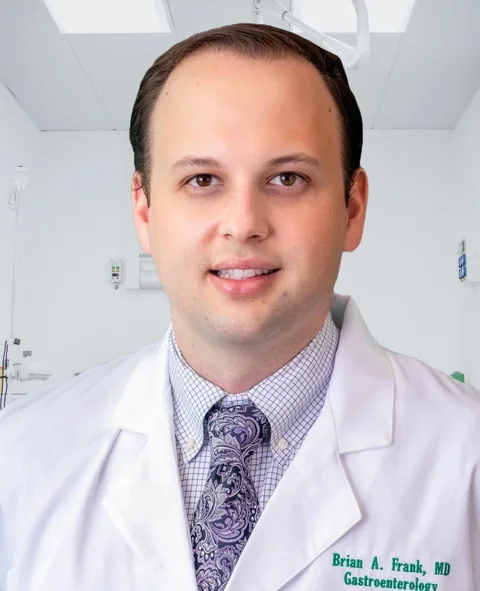
Board-certified gastroenterologist (ABIM). Last reviewed October 8, 2026.
This page is general information, not medical advice. For a medical emergency, call 911.