
Symptoms
- Diarrhea, sometimes with blood
- Abdominal pain and cramping
- Fatigue and weight loss
- Anemia
- Fistulas or abscesses near the anus
- Symptoms outside the gut, such as joint pain, skin rashes or eye inflammation
Diagnosis
There's no single test. Diagnosis combines colonoscopy with biopsies, blood and stool tests such as fecal calprotectin, and imaging such as CT or MR enterography. Capsule endoscopy can help when the small bowel is involved.
Treatment
The goal is not just feeling better but healing the inflammation to prevent complications.
- Advanced therapies: biologics and small-molecule medicines that target the immune pathways behind Crohn's
- Short-term steroids: to calm a flare, not for long-term use
- Nutrition support and not smoking: smoking clearly worsens Crohn's
- Surgery: for strictures, fistulas or disease that doesn't respond, working with colorectal surgeons
Regular monitoring, vaccines and colon cancer surveillance are part of long-term care.
Common questions
Is Crohn's curable?
Not yet, but long-term remission is a realistic goal for many people.
Is it caused by diet?
Diet doesn't cause Crohn's, but nutrition matters for symptoms and recovery.
Questions about Crohn's disease? Call (813) 400-0543 or send a message.
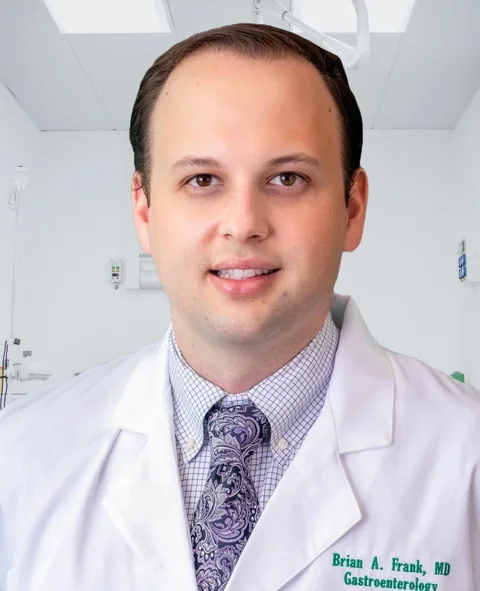
Written and reviewed by Brian Frank, MD
Board-certified gastroenterologist (ABIM). Last reviewed October 8, 2026.
Board-certified gastroenterologist (ABIM). Last reviewed October 8, 2026.
This page is general information, not medical advice. For a medical emergency, call 911.