
What the new name means
In 2023, liver societies renamed NAFLD (nonalcoholic fatty liver disease) to MASLD, and NASH to MASH, the inflamed form that can lead to scarring. The new names reflect the link to metabolic health. When fatty liver and regular alcohol use occur together, it's called MetALD.
Who's at risk
- Excess weight, especially around the waist
- Type 2 diabetes or prediabetes
- High triglycerides or low HDL ("good") cholesterol
- High blood pressure
- Sleep apnea
Fatty liver can also occur in people at a normal weight.
Symptoms
Usually none. Some people notice fatigue or mild discomfort under the right ribs. It's most often found through slightly high liver enzymes (ALT or AST) on routine blood work, or on an ultrasound or CT scan done for another reason. Leg swelling, yellowing of the skin or eyes, or confusion can signal advanced scarring and need prompt care.
How it's evaluated
The goal is to find out how much scarring (fibrosis) is present, usually without a needle:
- Blood work to rule out other causes, such as hepatitis B or C, iron overload, autoimmune liver disease, medications and alcohol
- A FIB-4 score, calculated from routine labs, as a first screen for scarring
- Liver stiffness testing (elastography, such as FibroScan): quick and painless, similar to an ultrasound
- A liver biopsy, needed only occasionally when other tests disagree
Treatment
Liver fat is reversible, and early scarring can improve.
- Weight loss: losing about 5% of your body weight reduces liver fat; 7 to 10% can reduce inflammation and scarring.
- Eating pattern: a Mediterranean-style diet, with fewer sugary drinks and refined carbohydrates.
- Exercise: about 150 minutes a week of moderate activity helps, even without weight loss.
- Alcohol: limit it, and avoid it entirely if scarring is present.
- Heart and metabolic health: treat diabetes, blood pressure and cholesterol. Statins are safe in fatty liver disease.
- Medicines: for MASH with moderate to advanced scarring (not cirrhosis), two medicines are FDA-approved: resmetirom (Rezdiffra, 2024) and semaglutide (Wegovy, 2025). Whether one is right for you is a decision to make with your doctor.
Common questions
Can fatty liver be reversed?
Often, yes. Liver fat responds well to weight loss and exercise, and early scarring can improve too.
Do I need a specialist?
A GI evaluation is worth it if your tests suggest scarring (a higher FIB-4 score or elevated liver stiffness) or if your liver enzymes stay high.
Is fatty liver linked to heart disease?
Yes. Heart disease is the leading cause of death in people with MASLD, so controlling blood pressure, cholesterol and blood sugar protects both your heart and your liver.
Questions about fatty liver disease? Call (813) 400-0543 or send a message.
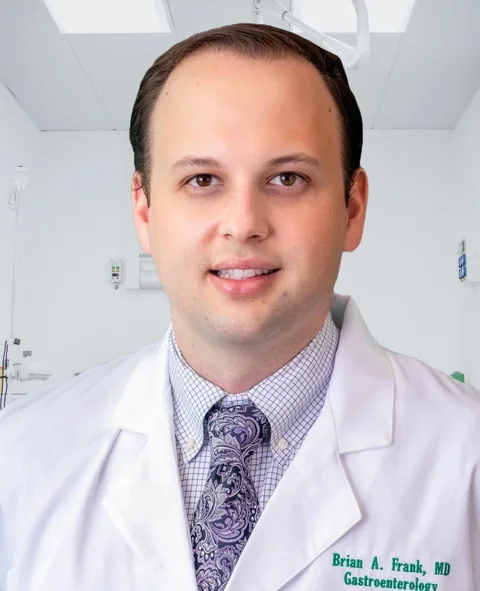
Board-certified gastroenterologist (ABIM). Last reviewed October 8, 2026.
This page is general information, not medical advice. For a medical emergency, call 911.