
Who it helps
- Trouble swallowing when an upper endoscopy looks normal
- Suspected achalasia or other esophageal motility disorders
- Non-cardiac chest pain
- Before anti-reflux surgery, to make sure the esophagus can handle it
How testing works with Dr. Frank
If you need manometry, Dr. Frank refers you to a specialized esophageal motility lab for the study, then reviews the results with you and builds your treatment plan.
How to prepare
Nothing to eat or drink for about 6 hours before. Some medicines that affect esophageal muscles may need to be held; your instructions will say which.
What to expect at the motility lab
The test is done awake, without sedation, because you need to swallow on command. After a numbing gel in the nose, a thin catheter is passed through the nose into the esophagus. You then take a series of small sips of water while sensors record. The recording usually takes 10 to 20 minutes, and you can drive and eat normally afterward.
Risks
Most people tolerate it well. Brief gagging, watery eyes, a mild sore throat or a small nosebleed can occur.
Common questions
Is it painful?
It's uncomfortable during placement for most people but not painful once in place.
What happens next?
Results guide treatment, which may include medication, dilation or a procedure for achalasia.
Questions about swallowing tests? Call (813) 400-0543 or send a message.
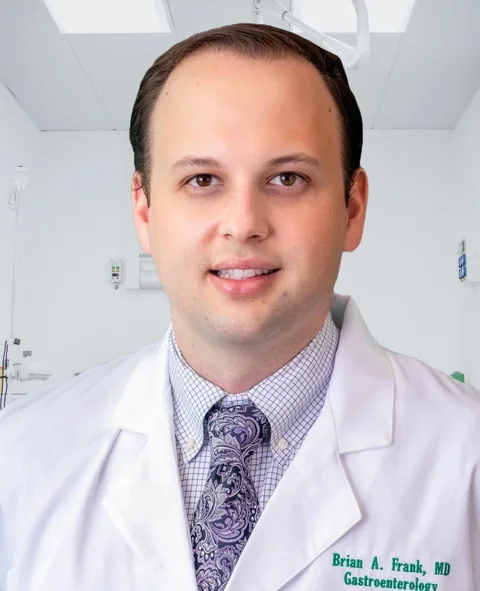
Board-certified gastroenterologist (ABIM). Last reviewed October 8, 2026.
This page is general information, not medical advice. For a medical emergency, call 911.