
Who needs a colonoscopy
- Adults at average risk, starting at age 45
- People with a parent, sibling or child who had colon cancer or advanced polyps, often starting earlier
- Anyone with rectal bleeding, iron-deficiency anemia, a change in bowel habits or unexplained weight loss
- People with Crohn's disease or ulcerative colitis, for surveillance
- Follow-up after polyps were removed, on a schedule based on what was found
How to prepare
The day before, you switch to clear liquids and drink a bowel prep, usually split into an evening and an early-morning dose. A clean colon is what makes the exam accurate. Tell your doctor ahead of time if you take blood thinners, insulin or other diabetes medicines, or GLP-1 injections such as semaglutide or tirzepatide, since these may need to be adjusted.
The day of the procedure
You receive sedation through an IV, and most people sleep through the exam. The colonoscopy itself usually takes 20 to 40 minutes. Polyps are removed and sent to a lab. Because of the sedation, you need an adult to drive you home, and you should not drive or sign important documents until the next day.
After your colonoscopy
Mild bloating and gas are common for a few hours. Most people eat normally the same day and return to work the next day. Your results and biopsy findings determine when you need your next exam, often in 3, 5, 7 or 10 years.
Risks
Colonoscopy is very safe, and serious complications are uncommon. They include bleeding, mostly after polyp removal, a tear in the colon wall, and reactions to sedation. Call right away for severe belly pain, fever or heavy bleeding.
Common questions
Does it hurt?
With sedation, most people feel nothing and remember little.
Is a stool test enough?
Stool tests are a good option for some average-risk adults, but a positive result needs a colonoscopy, and stool tests can't remove polyps. See colon cancer screening options.
How often do I need one?
If your colonoscopy is normal and you're at average risk, usually every 10 years.
Questions about screening? Call (813) 400-0543 or send a message.
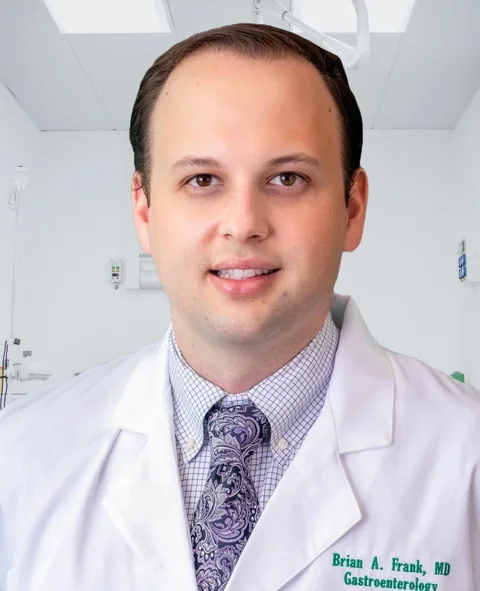
Board-certified gastroenterologist (ABIM). Last reviewed October 8, 2026.
This page is general information, not medical advice. For a medical emergency, call 911.